Operable wall suppliers in Metro Manila: what coverage should actually mean
Nearly every supplier claims to cover Metro Manila. Far fewer can survey in Makati, install overnight in BGC and return for a roller replacement in Quezon City two years later. Here is what coverage means district by district.
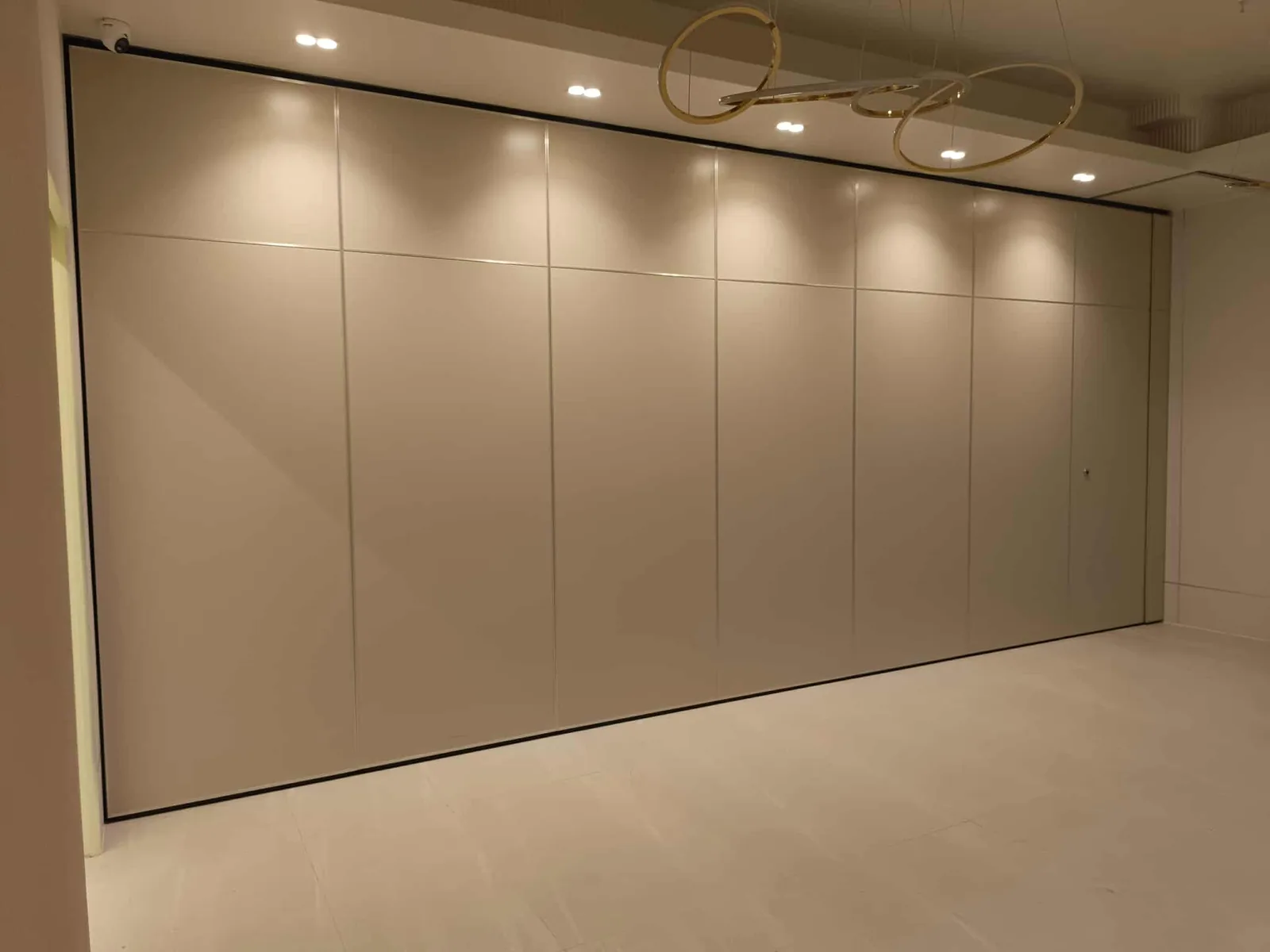
Search for operable wall suppliers in Metro Manila and almost every result will claim to cover the whole capital. Coverage is cheap to claim and expensive to deliver. The meaningful question is not whether a supplier will deliver to your district, but whether they can survey it properly, install inside its buildings, and come back two years later when a roller needs replacing.
Metro Manila is not a single market. A Grade A tower in BGC, a university in Quezon City and a hotel on the bay each impose different constraints on the same product. This guide sets out what coverage should mean, district by district.
Anyone can deliver to your district. The test is whether they can still service the wall in year three.
Coverage is four capabilities, not one claim
Coverage is four separate capabilities, and a supplier can have some without the others. Before you shortlist anyone, establish that they offer all four:
- Site survey — someone physically measures the opening and inspects the structure above the ceiling, before quoting.
- Delivery — panels reach your floor, which is a logistics problem in a tower, not just a trucking one.
- Installation — the supplier’s own installers, working to the building’s rules and hours.
- After-sales — servicing and locally stocked spare parts, for the life of the wall.
A supplier offering only the middle two is a delivery service. The criteria for judging a supplier nationally apply throughout; what changes across Metro Manila is the building stock they have to work inside.
Operable wall supply and installation, district by district
What follows is not a list of places we will drive to. It is what each district typically asks of the product and the installation.
Makati CBD
Dense Grade A and older stock side by side. Corporate headquarters fit-outs dominate — boardrooms, training rooms and townhall spaces that subdivide. Older towers along Ayala and Buendia often have tighter service lifts and lower ceiling voids than newer builds, which constrains panel height and the track detail. VersaWall’s own office sits on Sen. Gil Puyat Avenue, so this is the shortest trip on our map for surveys and callbacks.
Bonifacio Global City and the rest of Taguig
Newer, taller and more tightly managed than most of the capital. Expect formal contractor accreditation, work permits, insurance documentation and strict after-hours rules — often the most demanding building administration in Metro Manila. The upside is generous service lifts and well-planned loading docks. Projects skew to corporate offices, co-working floors and hotel function space.
Ortigas Center, Pasig and Mandaluyong
A mixed corridor: established office towers, newer developments, hospitals and large retail. Ortigas Center behaves much like Makati for access and permits. Pasig and Mandaluyong bring more standalone corporate buildings and institutional work, where structural conditions vary more widely — making the survey above the ceiling more important, not less.
Quezon City
The largest and most varied district in the capital. Universities, hospitals, government offices and religious institutions are all common, alongside offices. This is where multipurpose halls, classrooms that combine for assemblies, and school and university projects concentrate. Public and institutional buyers here should confirm procurement eligibility early.
City of Manila
Older building stock, heritage structures, universities and government offices. Structural conditions above the ceiling are the least predictable in the capital, and access routes are often narrow. Both argue for a supplier who surveys thoroughly before committing to a specification, rather than quoting from a floor plan.
Pasay, the MOA complex and the bay area
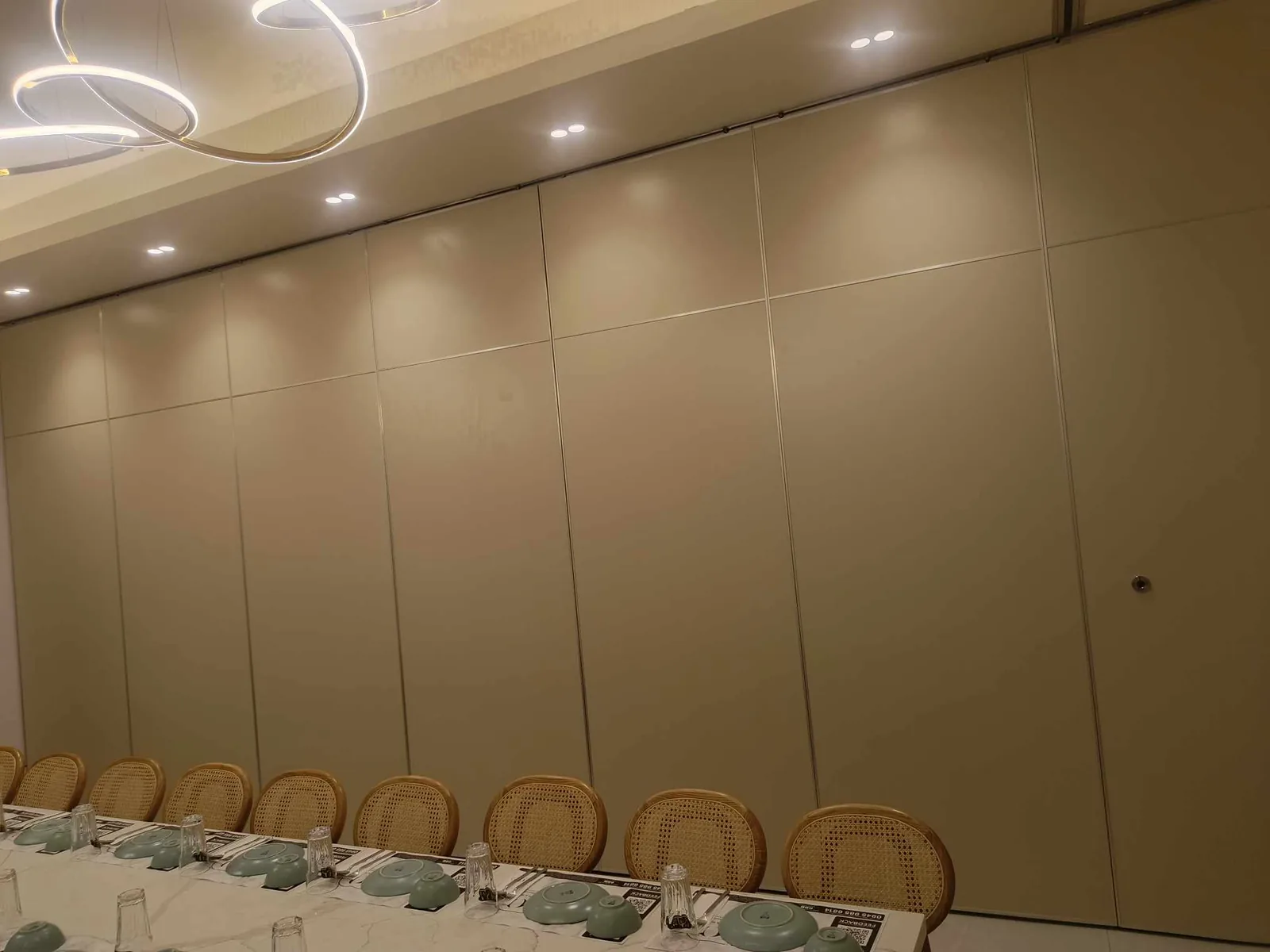
Hotels, convention and exhibition space, and gaming and entertainment venues. This is the natural home of the largest openings — ballrooms and function halls that subdivide for simultaneous events, where acoustic separation between sections is the whole point. See operable walls for hotels and banquet spaces.
Alabang, Muntinlupa and the southern corridor
Corporate campuses, business parks and low-rise offices, with a different profile again: more ground-level and low-rise access, fewer service-lift constraints, and often easier delivery — but longer travel, which makes a supplier’s willingness to return for servicing worth confirming in advance.
After-sales, spare parts and servicing
This is the part of coverage that only becomes visible once the fit-out photographs are taken and everyone has moved on. An operable wall is a twenty-year asset with moving parts, and rollers, seals and handles are consumables on a long timescale.
Ask where the parts are
The question that separates suppliers is not whether a warranty exists but where the spare parts sit. Locally stocked rollers and seals mean a repair measured in days. Parts ordered from an overseas factory per request mean a wall that stays out of service for months, in a room you are still paying rent on.
Ask who does the servicing
A supplier with its own installers usually has its own service capability. One that subcontracted the installation may have no one to send. This is the same argument as installation accountability, extended across the life of the wall.
Procurement, accreditation and documentation
Private-sector fit-outs
Most Metro Manila towers require contractor accreditation before work begins, along with insurance certificates, a method statement and a work permit. Your supplier should have supplied these before, and should be able to produce them without a scramble. Ask at shortlisting, not after award.
Government and public-sector projects
Public procurement has its own requirements, and PhilGEPS registration is normally a threshold rather than a differentiator. VersaWall is distributed by Rocco Furnishings International, an SEC-registered company and a Platinum Member of PhilGEPS, which makes it eligible for government and public-sector purchasing across the National Capital Region.
Shortlisting operable wall suppliers in Metro Manila
Once you have two or three candidates, the comparison gets easier if you hold the specification constant. Quotes only become comparable when every supplier is pricing the same opening, the same acoustic target and the same finish.
- Did they survey before quoting? A firm price with no site visit means the specification is still undefined.
- What acoustic rating is quoted? Ask for the STC figure and the perimeter seal detail — this is usually the real difference between two similar-looking numbers.
- Who installs? Own installers, or subcontracted.
- Where are the spare parts? Locally stocked, or imported per request.
- Have they worked in this building — or one like it? Experience with the district’s permit and access regime saves schedule.
If you are still deciding between systems rather than suppliers, choosing the right operable wall covers the specification side, and the Manila fit-out guide covers what installation inside a capital tower involves.
Where to start
Tell us the district, the building, the opening dimensions and what the space has to do — and whether the room stays in use during the works. We will survey the opening, confirm what the structure above the ceiling can carry, and come back with a specification and a firm quotation.
Tell us about your space and we'll recommend the right wall.
Get a tailored quote, or book a 30-minute demo to see the glide and acoustic seal for yourself.